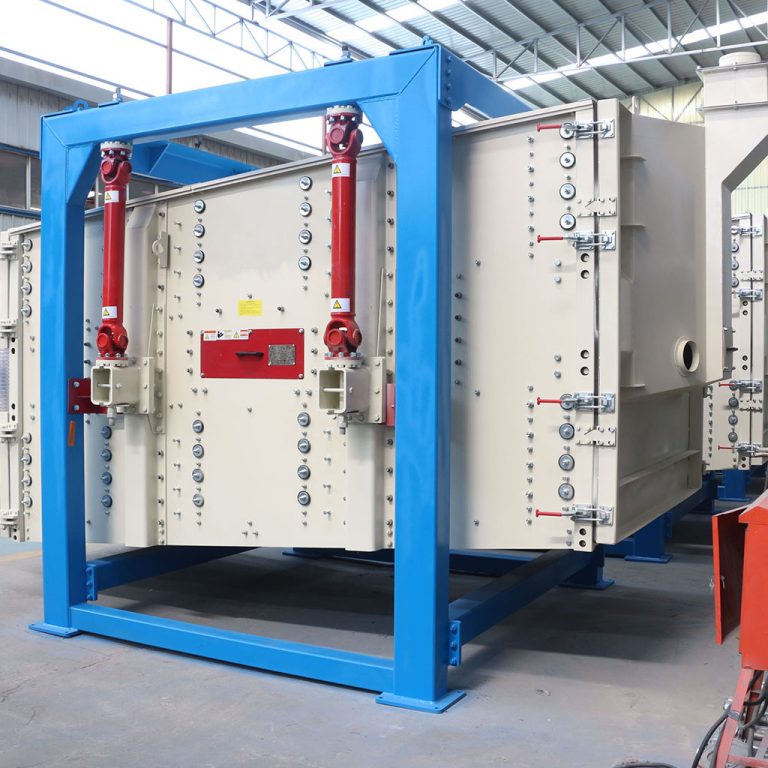
How to replace the screen of industrial sieve machine
Table of Contents
Step-by-Step Guide to Replacing the Screen of an Industrial Sieve Machine
1. Unplug the industrial sieve machine from the power source.
2. Remove the screws that hold the sieve machine’s cover in place.
3. Carefully lift the cover off the machine and set it aside.
4. Locate the screen and remove the screws that hold it in place.
5. Carefully remove the screen and set it aside.
Mesh size mm
Mesh numbe/ in2
Wire Dia mm
Open Area %
0.212
70
0.125
40
0.18
80
0.125
35
0.16
90
0.1
35
0.15
100
0.1
36
0.14
110
0.09
37
0.125
120
0.09
34
6. Place the new screen in the same position as the old one.
7. Secure the new screen with the screws.
8. Replace the cover and secure it with the screws.
9. Plug the machine back into the power source.
10. Test the machine to make sure the new screen is working properly.
How to Choose the Right Screen for Your Industrial Sieve Machine Replacement Project
When it comes to replacing the screen on your industrial sieve machine, it’s important to choose the right one for the job. The right screen can help you get the most out of your machine and ensure that it’s working efficiently. Here are some tips to help you choose the right screen for your industrial sieve machine replacement project.
1. Consider the size of the screen. The size of the screen you need will depend on the size of the particles you’re sieving. Make sure you measure the size of the particles you’re sieving and choose a screen that’s the right size for the job.
2. Think about the material of the screen. Different materials have different properties, so it’s important to choose a screen that’s made from a material that’s suitable for the job. For example, if you’re sieving abrasive materials, you’ll need a screen that’s made from a material that can withstand the wear and tear.
3. Consider the type of sieving you’re doing. Different types of sieving require different types of screens. For example, if you’re sieving for a specific size of particle, you’ll need a screen with a specific mesh size.
4. Think about the cost. Different screens come with different price tags, so it’s important to consider your budget when choosing a screen. Make sure you get the best value for your money by choosing a screen that’s suitable for the job and within your budget.
By following these tips, you can make sure you choose the right screen for your industrial sieve machine replacement project. With the right screen, you can get the most out of your machine and ensure that it’s working efficiently.
How Silica Sand Gyratory Screener Technology is Revolutionizing the Mining Industry The mining industry is undergoing a revolution with the introduction of silica sand gyratory screener technology. This technology is revolutionizing the way that mining operations are conducted, making them more efficient and cost-effective. Silica sand gyratory screener technology is a game-changer for the mining…
An Overview of Gyratory Screen Machines: How They Work and Their Benefits for Industrial Applications Gyratory screen machines are an essential piece of equipment for many industrial applications. They are used to separate materials of different sizes and shapes, and can be used to sort, classify, and size particles. They are also used to remove…
How Frac Sand Screening Machines Improve Efficiency in the Oil and Gas Industry The oil and gas industry relies on frac sand screening machines to improve efficiency and reduce costs. Frac sand is a type of proppant, a material consisting of small, crush-resistant particles used in hydraulic fracturing. The sand is added to the fracking…
How Sugar Gyratory Screening Machines Improve Efficiency in the Sugar Processing Industry The sugar processing industry is a highly competitive and complex sector, requiring efficient and reliable equipment to ensure the highest quality of product. Sugar gyratory screening machines are an essential part of the sugar processing industry, providing a reliable and efficient way to…
How Silica Sand Shaker Screener Machines Help Improve Efficiency in Industrial Processing. Silica sand shaker screeners are an essential part of many industrial processes, helping to separate and sort particles of different sizes. This article will discuss the benefits of using these machines, as well as the different types available and how they can be…
How Quartz Sand Vibra Sieve Technology is Revolutionizing the Mining Industry The mining industry is undergoing a revolution with the introduction of quartz sand vibra sieve technology. This technology is revolutionizing the way that mining operations are conducted, making them more efficient and cost-effective. Quartz sand vibra sieve technology is a process that uses vibrating…

 9. Plug the machine back into the power source.
10. Test the machine to make sure the new screen is working properly.
9. Plug the machine back into the power source.
10. Test the machine to make sure the new screen is working properly.