How Quartz Sand Gyratory Screens Improve Efficiency in Industrial Processing Plants
Quartz sand gyratory screens are an important part of industrial processing plants. They are used to separate and sort materials, such as sand, gravel, and other minerals, into different sizes and grades. These screens are highly efficient and can help improve the efficiency of industrial processing plants.
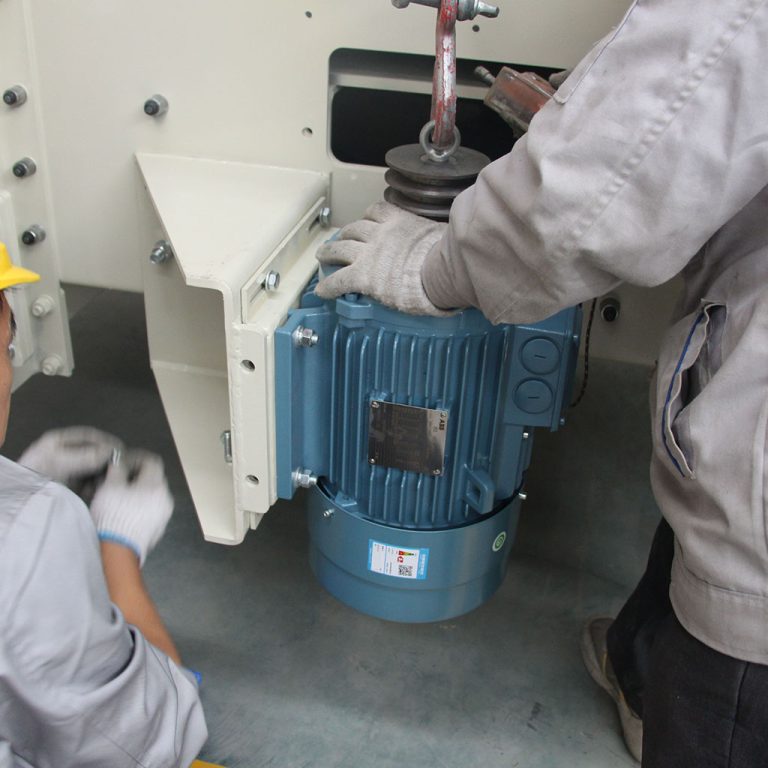
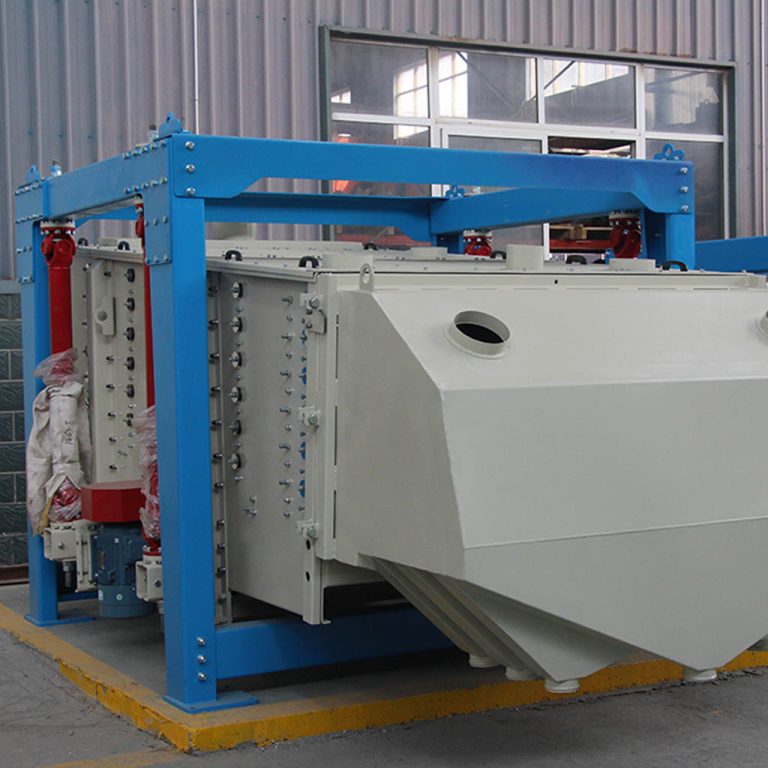
The quartz sand gyratory screen is composed of a vibrating motor, a sieve box, a screen mesh, and a base. The vibrating motor is used to drive the sieve box, which is mounted on the base. The sieve box is made up of several layers of screen mesh, each with a different size of mesh. The mesh sizes are chosen based on the size of the material that needs to be sorted.
Model NO.
Deck
Weight Kg
G2036-1
1
5000
G2036-2
2
5300
G2036-3
3
5600
G2036-4
4
5900
G2036-5
5
6200
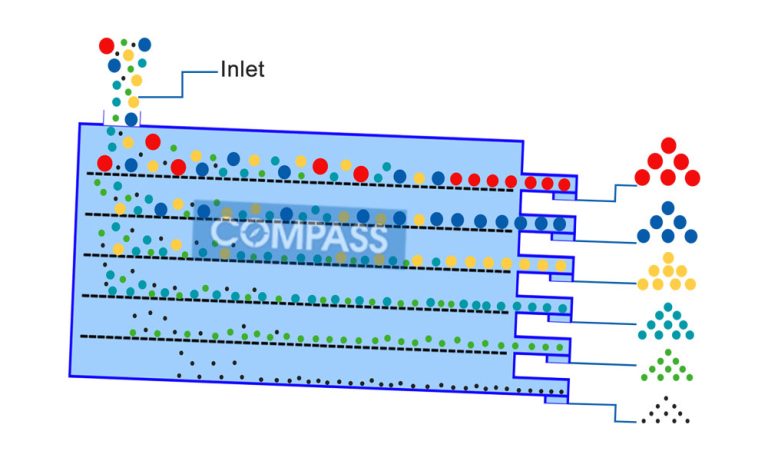
The quartz sand gyratory screen works by vibrating the sieve box. This causes the material to move up and down the screen, allowing the particles to be separated according to size. The larger particles will move to the top of the screen, while the smaller particles will move to the bottom. This process is repeated until all the particles have been sorted.
The quartz sand gyratory screen is highly efficient and can help improve the efficiency of industrial processing plants. It can help reduce the amount of time and energy needed to sort materials, as well as reduce the amount of waste produced. This can help reduce costs and improve the overall efficiency of the plant.
Quartz sand gyratory screens are an important part of industrial processing plants. They are highly efficient and can help improve the efficiency of industrial processing plants. They are easy to install and maintain, and can help reduce costs and improve the overall efficiency of the plant.
How to Identify and Resolve Mesh Hole Blocking in Vibrating Screens Mesh hole blocking in vibrating screens is a common issue that can lead to decreased efficiency and increased downtime. To identify and resolve this issue, it is important to understand the causes and effects of mesh hole blocking. Causes of Mesh Hole Blocking Mesh…
How Gyratory Screener Machines Can Improve Efficiency and Productivity in Your Facility Gyratory screener machines are an essential tool for any facility looking to improve efficiency and productivity. These machines are designed to quickly and accurately separate materials of different sizes, shapes, and densities. By using a gyratory screener, facilities can reduce the amount of…
Exploring the Benefits of Working with a Vibro Screen Manufacturer in China: A Guide for Businesses When it comes to finding a reliable vibro screen manufacturer in China, businesses have a lot of options. Working with a vibro screen manufacturer in China can be a great way to save money and get quality products. In…
How to Maximize the Service Life of Your Stainless Steel Screen If you want to maximize the service life of your stainless steel screen, there are a few simple steps you can take. First, make sure to clean your screen regularly. This will help to prevent dirt and debris from building up and causing corrosion….
How the Industrial Sieving Machine Can Help Increase Your Productivity and Efficiency The industrial sieving machine is a powerful tool that can help increase your productivity and efficiency. This machine is designed to quickly and accurately separate particles of different sizes, allowing you to quickly and easily sort through large amounts of material. Material: Q235…
Mesh blocking is a common problem in sieving processes, and it can have a significant impact on the efficiency and accuracy of the process. Mesh blocking occurs when particles become stuck in the mesh of the sieve, preventing them from passing through. This can lead to inaccurate results, as well as a decrease in the…

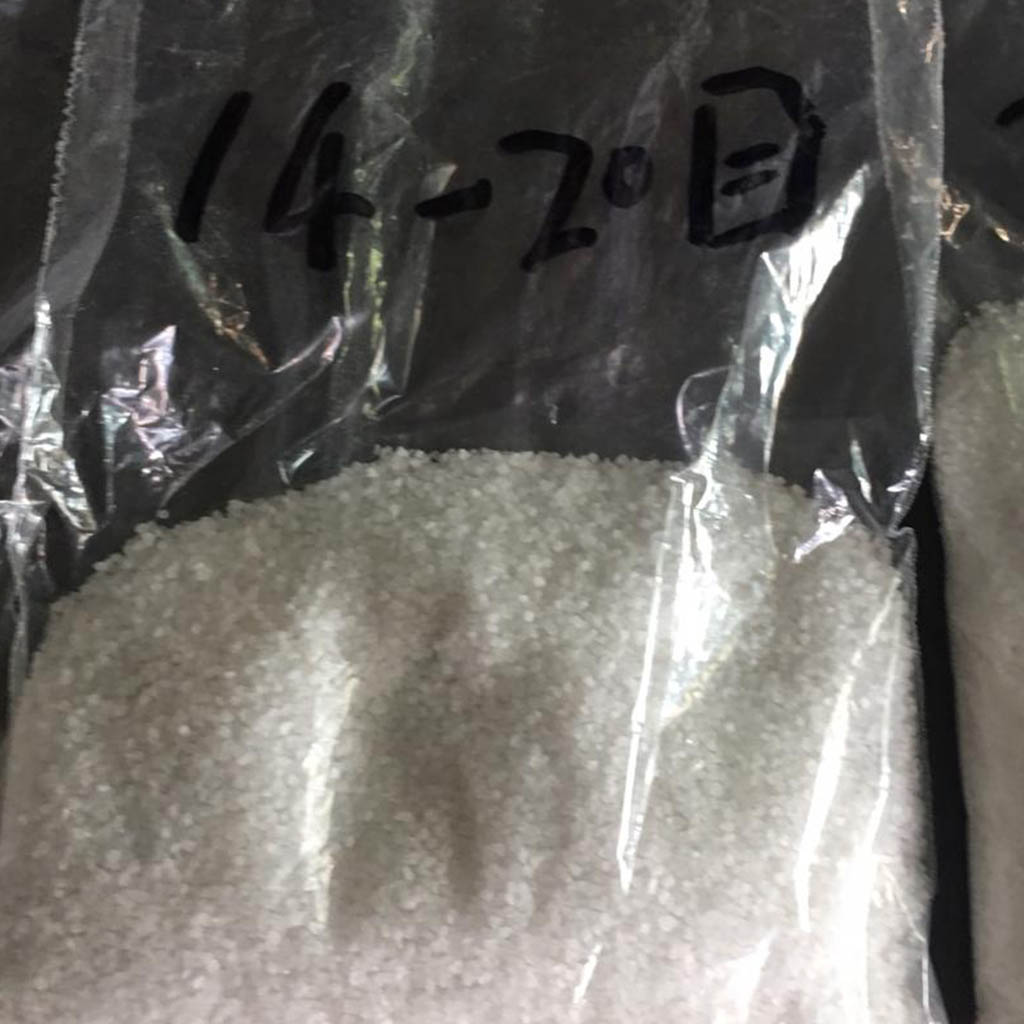 The quartz sand gyratory screen is highly efficient and can help improve the efficiency of industrial processing plants. It can help reduce the amount of time and energy needed to sort materials, as well as reduce the amount of waste produced. This can help reduce costs and improve the overall efficiency of the plant.
Quartz sand gyratory screens are an important part of industrial processing plants. They are highly efficient and can help improve the efficiency of industrial processing plants. They are easy to install and maintain, and can help reduce costs and improve the overall efficiency of the plant.
The quartz sand gyratory screen is highly efficient and can help improve the efficiency of industrial processing plants. It can help reduce the amount of time and energy needed to sort materials, as well as reduce the amount of waste produced. This can help reduce costs and improve the overall efficiency of the plant.
Quartz sand gyratory screens are an important part of industrial processing plants. They are highly efficient and can help improve the efficiency of industrial processing plants. They are easy to install and maintain, and can help reduce costs and improve the overall efficiency of the plant.